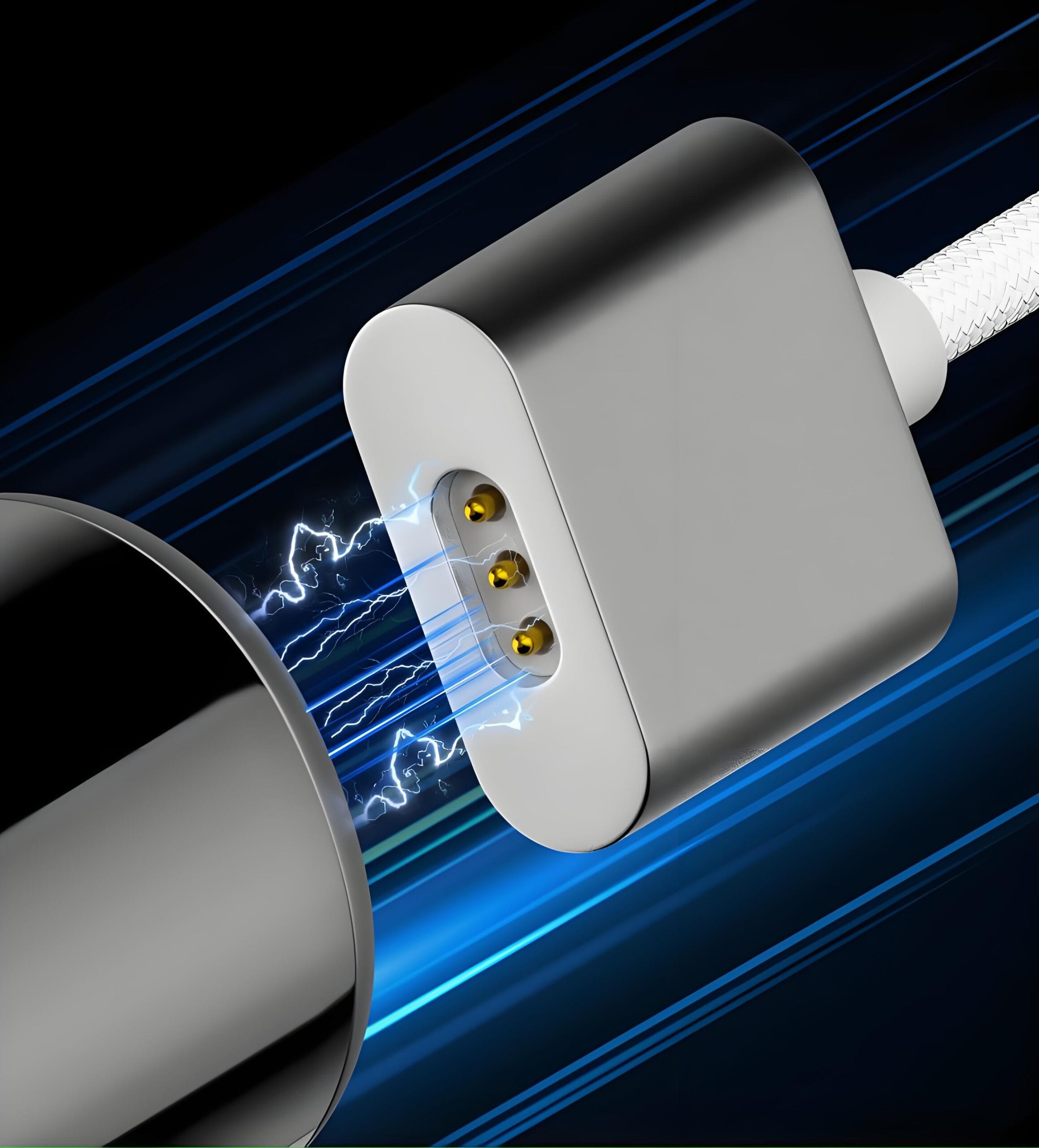
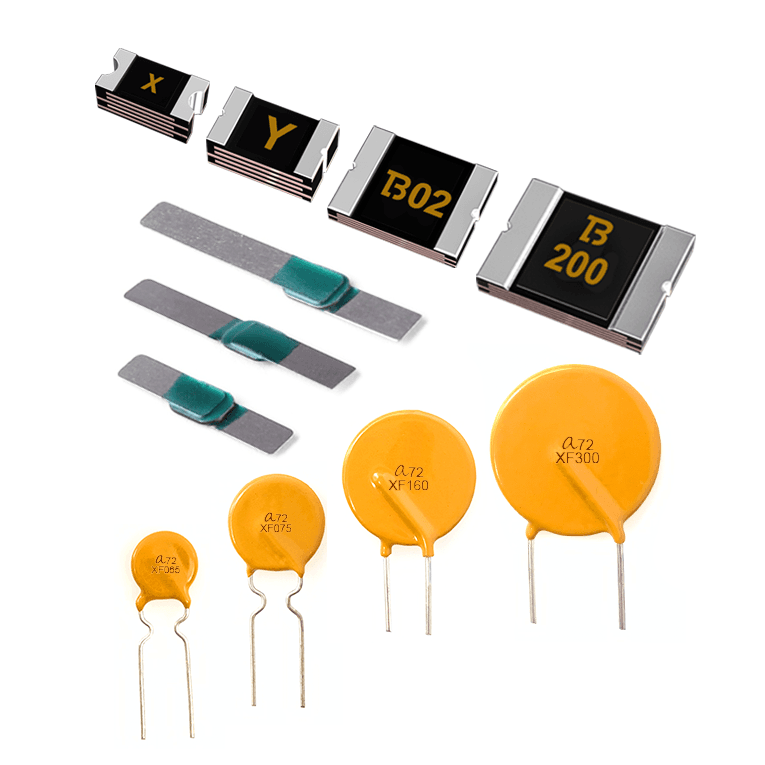
Magnetic charging cables, thanks to their convenient, automatic connection, are widely used in smart wearables, consumer electronics, and other fields. However, potential safety hazards are becoming increasingly prominent. Exposed magnetic connectors are prone to dust accumulation, leading to poor contact. The magnetic attraction of the connectors to iron objects can cause short circuits. The resulting high current not only damages the pogo pins and port, but also poses a serious safety hazard, potentially leading to overheating or even fire. To effectively address this critical risk, integrating LUTETECH resettable fuses (PPTCs) into magnetic cable protection board designs is a crucial protection strategy. Shenzhen LUTETECH offers a comprehensive line of resettable fuses specifically designed for magnetic cables, including mainstream SMD package sizes such as 0603, 0805, and 1206, as well as 16V plug-in versions. These fuses cover key current ratings required for magnetic cable protection, including 500mA, 750mA, and 1A.
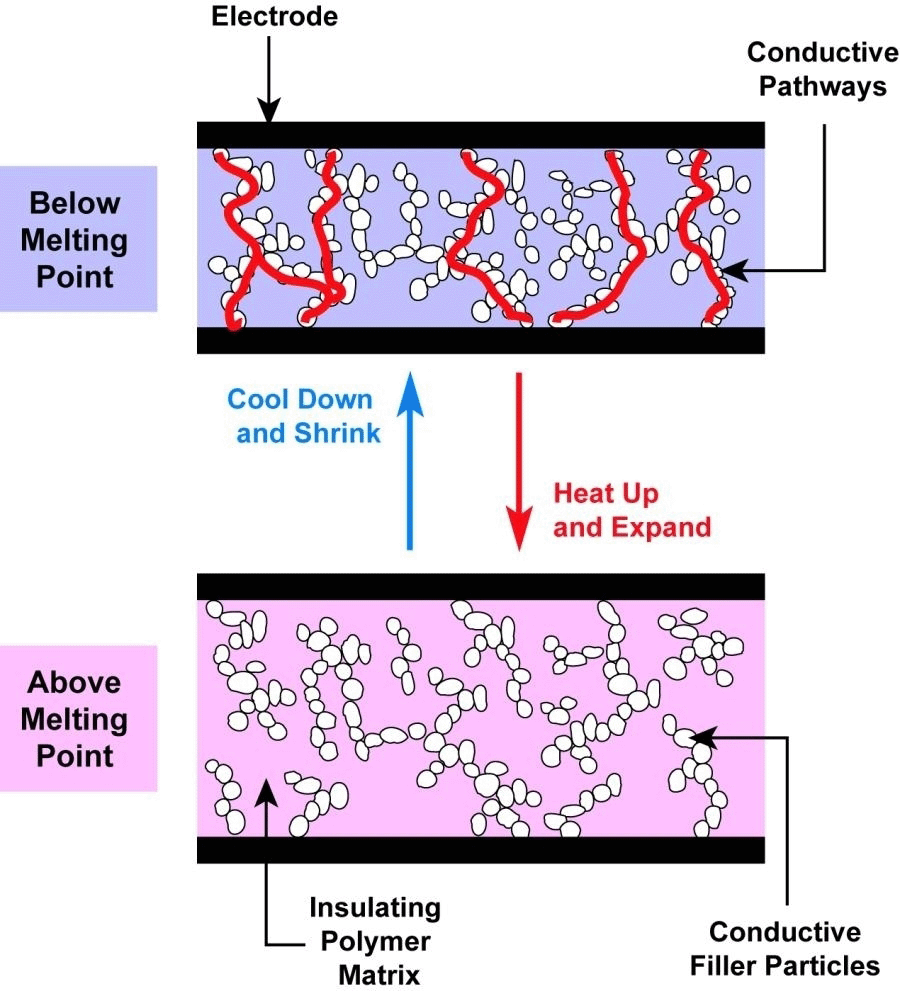
The resettable fuse utilizes a high-molecular polymer and conductive dielectric, maintaining a low resistance state under normal operating conditions without interfering with the magnetic cable’s high-frequency signal transmission and high-current fast-charging performance. If the magnetic head accidentally attracts a foreign object, causing a short circuit, or if another overcurrent fault occurs within the device, the abnormally high current flowing through the PPTC rapidly heats the internal material. This temperature rise triggers a change in the PPTC’s physical properties, causing its resistance to increase dramatically within a very short period of time (entering the “trip” state), effectively limiting and interrupting the fault current path. This rapid response mechanism immediately prevents the overcurrent from causing further physical damage (such as spring failure or port melting) to sensitive pogo pin contacts, the charging port, the connecting cable, and even the end device, or even the risk of thermal runaway. Once the fault source is removed and the circuit cools, the PPTC automatically resets to its original low-resistance state, eliminating the need for manual replacement and ensuring safe operation of the magnetic cable protection board and the entire charging system.
Lu Te Technology’s resettable fuses for magnetic charging cables are available in various packages and specifications to meet diverse design requirements. Small-size chip fuses like the 0603 are suitable for space-constrained magnetic charging cables for smart wearable devices, while 1206 package and plug-in products meet the protection needs of high-power magnetic charging applications such as industrial equipment and in-car navigation systems. Current ratings of 500mA, 750mA, and 1A precisely match the varying load currents of magnetic cables during charging and data transmission, ensuring both normal power supply and rapid response to overcurrent events.
Lute Technology’s resettable fuses, with their high reliability, long life, and automatic recovery characteristics, provide a safety barrier for magnetic charging cables, effectively addressing industry pain points and enabling efficient and safe charging systems for smart wearables, consumer electronics, smart homes, in-car navigation systems, medical devices, and industrial equipment.
Newsletter Updates
Enter your email address below and subscribe to our newsletter